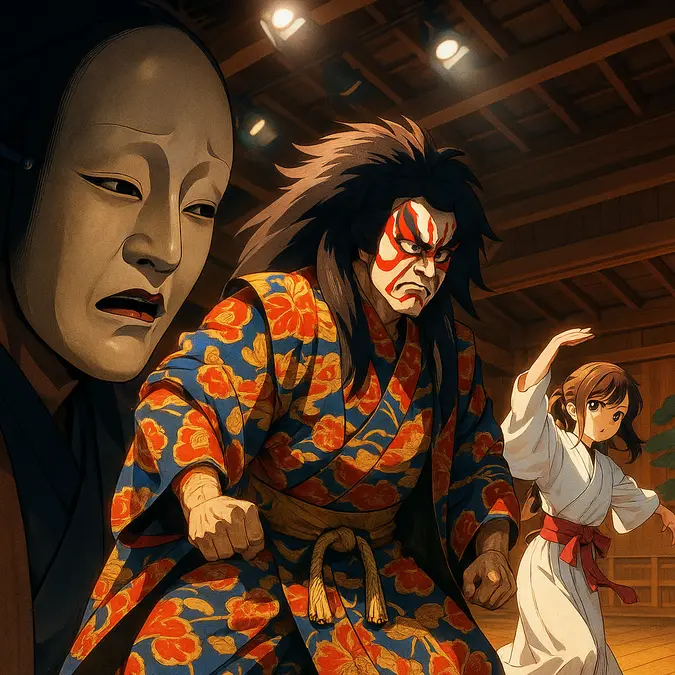
www.toponeraegunbuster.com – Japanese Performing Arts has officially broken the internet! The world is dancing, Japan is vibing, and the oldest performing art in Japan just stepped into the global spotlight like a final-boss stage entrance. Nani?! This is pure otaku-culture power-up, where centuries-old traditions collide with modern anime hype!
Japanese Performing Arts and the World Is Dancing
From the latest report covered by Anime News Network, the global boom in dance and performance culture is shining a massive spotlight on Japan’s oldest performing arts. We’re talking about legendary traditions like Noh, Kabuki, and the mind-meltingly precise world of traditional Japanese dance. These aren’t just dusty museum pieces – they’re the OG “stage anime” that inspired the way modern Japanese stories move, pose, and perform.
Imagine those slow, deliberate Noh movements – that intense stillness, the piercing gaze – now think of your favorite stoic anime swordsman taking a stance before the final clash. That’s not a coincidence. It’s cultural DNA, passed down across generations and reappearing in god-tier sakuga moments.
From Ancient Stage to Anime Sakuga Glory
Japanese Performing Arts have been low-key training the anime industry for decades. Directors and animators study body language, rhythm, and silhouette the same way classical performers do. When you see a character spin, strike a pose, or freeze mid-air in a perfectly composed frame – that’s pure stagecraft. It’s as if every climactic battle scene is a high-speed Kabuki act.
Many anime tap directly into this heritage. Series about idols, theater clubs, or historical periods borrow staging from the real-life arts. Even if the Anime News Network piece focuses on the broader cultural angle, the otaku connection is crystal clear: traditional stages are the original storyboards.
Curious how this flows into modern anime idols and performances? Check out our deep-dive on idol anime and Japanese stage culture for even more waku-waku details.
Oldest Performing Art in Japan: Serious Waifu-Level Legacy
The oldest performing art in Japan isn’t just “old” – it’s insanely influential. Noh theater, for example, has been around for over 600 years. Masks with minimal expressions, ultra-controlled gestures, and haunting vocal delivery… it’s like an S-tier tutorial in mood and atmosphere.
Anime directors borrow these elements to create scenes that feel almost sacred. Think of that quiet moment before the big confession, or a character walking alone through a shrine at sunset. The framing, the stillness, the echoing sound – it all channels the same energy as a Noh stage, where every tiny movement matters.
If you’re into historical settings and ancient aesthetics, don’t miss our feature on samurai anime and traditional Japan, where this kind of performance influence is absolutely everywhere.
Japanese Performing Arts Going Global: Waku-Waku World Tour
According to the coverage highlighted in Anime News Network, audiences worldwide are waking up to the charm of Japanese performing arts. Modern creators are mixing classical dance and theater with contemporary choreography, J-pop, and even street dance. It’s like watching a collab episode where Edo-period performers and present-day dancers share the same stage for a special crossover event!
The world is literally dancing along: international festivals, online streams, and collab projects are putting these arts in front of new viewers who might have entered the culture through anime, J-pop, or games. For otaku, this is a dream scenario: the more people fall in love with the real-life performances, the richer and more authentic our future anime and manga become.
From Stage to Screen: Future Anime Inspired by Japanese Performing Arts
Here’s the hype prediction: as Japanese Performing Arts gain global attention, we’re going to see even more anime centered around dance, theater, and classical performance. Imagine a sports-anime style series about Noh actors training to become the top troupe in Japan, or a high-tension drama about a Kabuki family trying to keep their legacy alive in a modern streaming-driven world. Tell me that doesn’t sound like instant Best-Girl and Husbando material!
This synergy also boosts tourism and real-life culture trips. Fans who discover these art forms through articles and anime will want to visit the actual theaters in Tokyo, Kyoto, and beyond. For more travel-inspired otaku adventures, take a peek at our guide to anime pilgrimage spots across Japan and plan your next waku-waku journey.
Why Otaku Should Care About Japanese Performing Arts
If you love anime’s dramatic poses, intense stares, and emotional performances, you’re already a fan of Japanese Performing Arts… you just might not have known it yet. The latest buzz shows the world finally catching up to something Japan has been perfecting for centuries: turning human movement into unforgettable storytelling.
So next time you watch a climactic anime showdown or a heart-breaking stage confession, remember – behind that god-tier animation lies a legacy of actors, dancers, and performers who paved the way, mask by mask, step by step, stage by stage. Sugoi, right?